
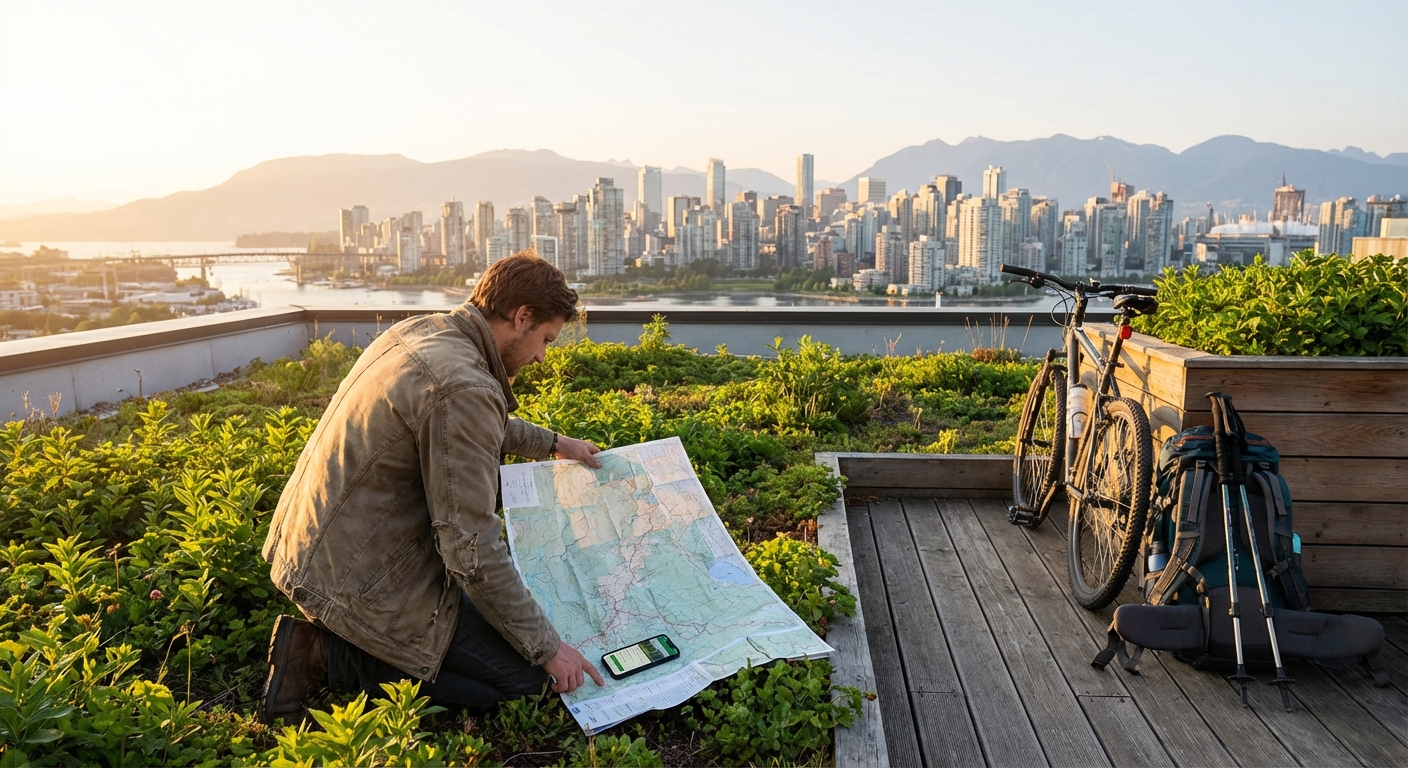
Most city guides are built for museum-hoppers and café lingerers. If you’re the sort of traveler who packs trail shoes before dress shoes, you need to read cities differently.
Rethinking City Guides for the Outdoor-Minded
Here are 21 insider hacks to transform any standard city guide into your personal adventure manual—so you can find wild corners, stay on budget, and always be ready for a spontaneous sunrise mission.
Destination Highlights Hidden in Plain Sight
1. Treat "Viewpoints" as Mini-Summits
When a guide lists “panoramic viewpoints,” “miradouros,” or “belvederes,” mark them.
- Many are located on hills, ridges, or old fortifications.
- They often connect via staircases, alleys, or woodland paths.
Hack: String several viewpoints together into a DIY urban hiking route with serious elevation gain.
2. Use Parks as Training Grounds
City parks are more than picnic spots.
- Big parks with lakes, forest sections, and trail networks are your daily training loops.
- Smaller neighborhood parks are ideal for bodyweight circuits on recovery days.
Look for: Mentions of “urban forest,” “nature reserve,” or “running track” in the city guide.
3. Follow the Water
Rivers, canals, lakes, and coastlines in guides usually mean:
- Flat, scenic cycling and running routes.
- Opportunities for kayak, paddleboard, or boat rental.
Search: "[City] river path", "[City] kayak rental", or "[City] cycling route map".
Smart Budget Moves for City-Based Adventures
4. Sleep in Transport Sweet Spots
Instead of picking a hotel in the prettiest square, aim for:
- Neighborhoods near a major transit hub.
- Areas where a metro + bus combo can launch you outward quickly.
This means less cash burned on taxis—and more for trail snacks and post-hike dinners.
5. Use Grocery Stores Like Gear Shops
Local supermarkets are your secret weapon:
- Build trail lunches from bread, cheese, fruit, and nuts.
- Stock up on cheap electrolytes (sports drinks, salty snacks).
You’ll save a fortune versus restaurant meals, especially in expensive cities.
6. Tap into Free City Views Instead of Paid Towers
Many cities charge for tower or skyscraper views. Instead:
- Hunt for free or low-cost viewpoints in city parks or hills.
- Ask locals, “Where do you go to watch the sunset?”
You get both a workout and a skyline panorama for nothing.
7. Share Shuttles, Splurge on Experiences
For longer day trips:
- Look for shared transfer services (common near big hiking areas).
- Ask hostels or guesthouses if other guests want to share a taxi to the same trailhead.
Spend the savings on a memorable experience: a guided glacier walk, canyoning, or a surf lesson.
Packing Like an Urban Adventurer
8. Build a Two-Layer Packing Strategy
Think in layers, not outfits:
- Urban-compatible layers: neutral shirts, slim pants, casual jacket.
- Performance layers: base layers, shell, quick-dry socks.
Mix them for city days and pull the performance pieces forward for the trail.
9. Choose Shoes That Do It All
Bring:
- One pair of trail-capable shoes that also look okay with jeans.
- Optional: ultralight sandals or slip-ons for hostels and showers.
Shoes eat luggage space; bring fewer, better pairs.
10. Pocket Adventure Kit
Keep a tiny kit ready in your daypack at all times:
- Collapsible water bottle.
- Mini first-aid + blister kit.
- Headlamp.
- Buff or bandana.
This lets you turn “just going for a walk” into a full-fledged mission whenever you stumble onto a new trail.
Using City Infrastructure as Adventure Tools
11. Metro Lines as Trail Shuttles
Study the transit map like it’s a ski resort map.
- End-of-line stations often sit near trailheads, forests, or viewpoints.
- Ring lines can link different parks and rivers into a day-long traverse.
Experiment: Take a metro to the far edge of the city and walk or run back through green spaces.
12. Bike Share as Your Exploration Vehicle
Many cities have bike-share schemes.
- Use them for one-way urban rides between parks and viewpoints.
- Combine with train rides to create multi-modal adventures.
Just remember a lightweight cable lock in case you want to pause off the main docking network.
13. Ferries and Water Taxis as Scenic Shortcuts
In harbor cities, ferries are cheaper and more fun than tourist cruises.
- Use them as a cheap harbor tour.
- Disembark at stops near lesser-known coves or coastal paths.
Guides often list ferry routes under practical info—gold for explorers.
Insider Tactics for Finding Local Knowledge
14. Target the Right Shops
Skip generic tourist info booths; instead, walk into:
- Climbing gyms and outdoor stores.
- Running and bike shops.
Say, “I’ve got one day, no car. What’s your favorite trail I can reach by public transport?” Then listen.
15. Use Language Cues
Even if you don’t speak the local language, learn these words:
- Hike, trail, path, park, forest, mountain, beach.
Search the local terms on maps and you’ll uncover options that never make it into English-language top 10 lists.
16. Follow Locals on Strava or Komoot
Before you go:
- Search for popular local segments on running and cycling apps.
- Download community-curated routes.
These often thread through the most scenic parks, hills, and waterfronts.
Time Management Tricks for Maximum Adventure
17. Use Mornings for Motion, Afternoons for Culture
Flip the usual tourist pattern:
- Early morning: runs, hikes, or hill climbs.
- Midday heat: museums, cafés, markets.
- Golden hour: one more viewpoint, river walk, or short ride.
You’ll beat the crowds at both viewpoints and galleries.
18. Bundle Nearby Highlights
Instead of zig-zagging across the city:
- Cluster activities:
- Park + viewpoint + neighborhood café.
- Waterfront walk + market + ferry.
This gives each area depth and saves transit time.
19. Treat Transit as Scouting Time
On trains and buses:
- Watch for trailheads, bridges, river bends, and ridges.
- Drop pins on your map whenever you see a promising area.
Later, research these pins—often they’re the spots locals love but guides ignore.
Safety and Sustainability for Urban Adventurers
20. Respect Local Norms on Trails and in Parks
- Some city parks have closing hours—respect them.
- In busy areas, yield politely and keep right/left as appropriate for the country.
Blend your adventure style with local etiquette.
21. Leave No Trace, Even at the Edge of Town
Just because you’re near a skyline doesn’t mean the rules change:
- Pack out all trash.
- Stay on marked paths when signed.
- Keep noise down in residential green spaces.
You’re an ambassador for outdoor travelers; act like it.
Turn Any City Guide into Your Secret Adventure Manual
Next time you open a city guide, resist the urge to jump to the “Top 10 Attractions” page. Instead, scan for parks, water, viewpoints, and transit lines. Layer on these 21 hacks and you’ll see a different city entirely: one crisscrossed with sunrise running routes, sunset viewpoints, day hikes, and easy escapes into real wilderness.
Pick a city you’ve dismissed as “too urban” and run it through these filters. You might find your next favorite basecamp hiding behind a skyline.