
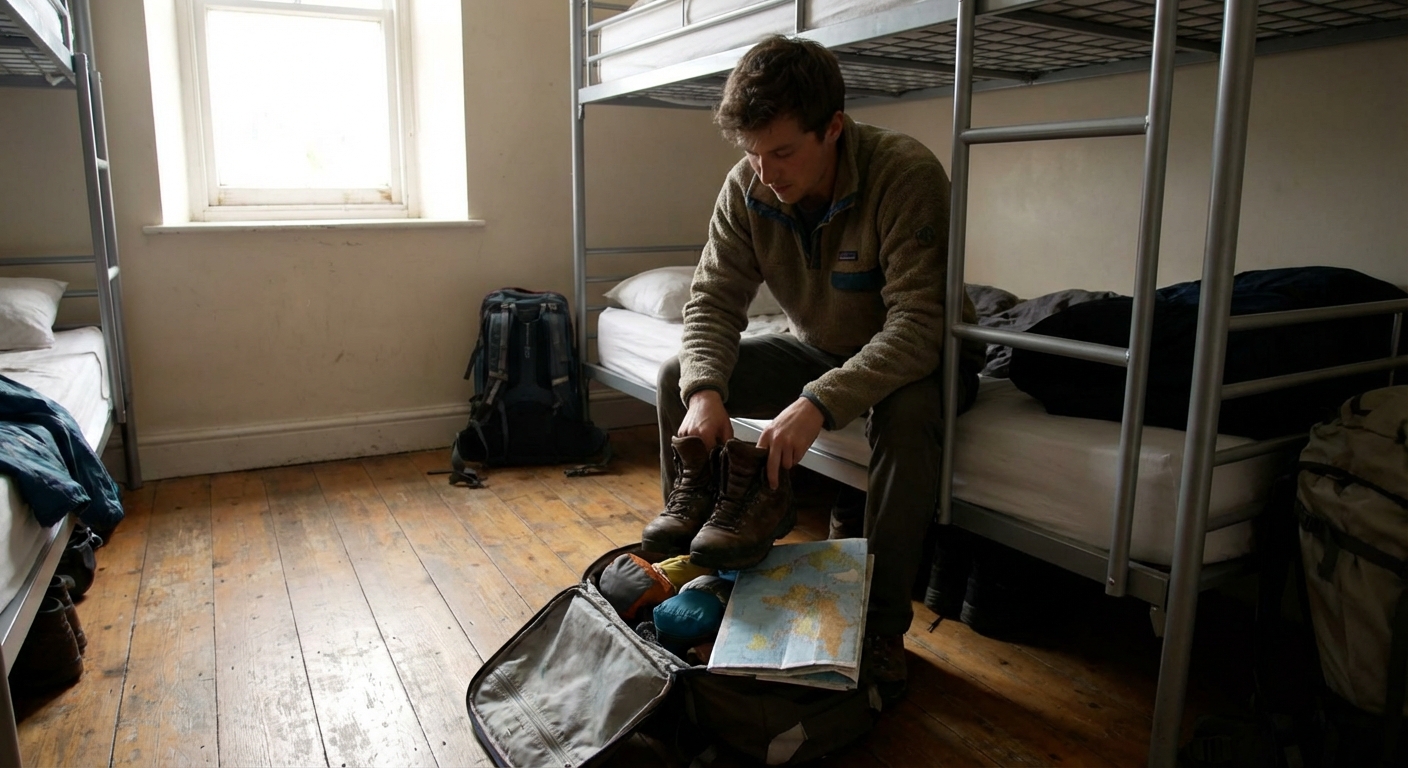
Long-term adventure travel on less than $40 a day sounds impossible until you meet the people doing it—from trekkers in the Andes to motorbikers in northern Vietnam. Their secret weapon isn’t fancy gear; it’s a lean, intentional packing list and smart daily habits.
Gear Up for the Long Haul—Without Emptying Your Wallet
This guide walks you through exactly what to pack (and what to skip) for months of budget-conscious wandering—plus how each item helps keep costs low.
Packing Philosophy: Every Item Must Earn Its Place
On a $40/day budget, every extra shirt or gadget has a cost:
- Baggage fees
- Slower movement
- Replacement costs when cheap gear fails
Your rule: If it doesn’t help you stay healthy, mobile, or on budget, it stays home.
Aim for a carry-on-sized backpack (35–45L) that you can comfortably carry for 20–30 minutes at a stretch.
The Backpack Setup
Main Pack (35–45L)
Look for:
- Supportive hip belt and sternum strap
- Front or side access (not just top-loading)
- Durable zippers and stitching
Daypack (15–20L)
Folds or rolls into your main pack. Carries:
- Water
- Snacks
- Layers
- Camera/phone
- Rain gear
Budget Tip: You don’t need an expensive branded pack. A solid mid-range hiking pack with good reviews often outperforms the trendiest travel bag.
Clothing: The Minimalist Adventure Wardrobe
Design your wardrobe around layers and quick-dry fabrics. Sink laundry beats suitcase sprawl.
Core Clothing List (Unisex)
- 3 quick-dry T-shirts or tops
- 1 long-sleeve sun/bug protection shirt
- 2 pairs of lightweight trekking pants (one can zip-off to shorts)
- 1 pair of comfortable shorts
- 1 set of base layers (top + leggings) for cold nights and buses
- 5–7 pairs of underwear
- 3 pairs of socks (1–2 wool for hiking)
- 1 fleece or light insulated jacket
- 1 compact rain jacket (waterproof, not just water-resistant)
- 1 lightweight buff or bandana
- 1 simple outfit that can pass in cities (dark jeans or clean pants + plain shirt)
Why This Saves Money
- Less clothing = no checked baggage and fewer replacement items.
- Quick-dry fabrics let you wash and re-wear frequently.
- Neutral colors mix and match, reducing the urge to buy extra pieces on the road.
Footwear: Protect Your Feet, Protect Your Budget
Essential Pair: Trail Shoes or Light Hiking Boots
Choose durable, comfortable footwear you can:
- Hike in
- Walk cities in
- Wear in light rain and on rocky terrain
Secondary Pair: Sandals or Flip-Flops
Great for:
- Showers in hostels
- Beach days
- Letting feet breathe after long treks
Budget Tip: Invest in quality here. One good pair that lasts a year costs less than three cheap pairs that fall apart mid-trip.
Sleep and Comfort Gear
If you plan to camp or stay in basic hostels, a few extras keep you comfortable and save money.
Optional but Powerful
- Sleeping bag liner or travel sheet: Doubles as a clean layer in questionable beds and adds warmth.
- Compact travel pillow or pillowcase: Stuff with clothes if you don’t want extra bulk.
- Earplugs and eye mask: Turn a noisy dorm or night bus into a semi-decent sleep zone.
If You’re Camping Regularly
- Ultralight tent or hammock with bug net
- Sleeping bag rated for your expected temperatures
- Foam or inflatable pad
Camping gear is an up-front cost, but it can reduce your nightly spend to nearly zero on some routes.
Essential Tech and Tools
You don’t need a full gadget arsenal—just a few strategic pieces.
Must-Haves
- Smartphone with offline maps downloaded
- Universal adapter and compact power strip
- Power bank (10,000–20,000 mAh)
- Headlamp with extra batteries
- Basic unlocked phone if you don’t want to risk your main device for local SIMs
Nice-to-Have (If You Create Content)
- Lightweight camera or action cam
- Small tripod or clamp mount
Budget Tip: Rely on Wi‑Fi and offline downloads instead of pricey roaming data. Local SIM cards with data can be remarkably cheap in many countries.
Kitchen and Food Kit for Trail Days
Eating out for every meal is the fastest way to blow $40/day. A minimalist food kit gives you options.
Micro Kitchen
- Collapsible bowl or small container with lid
- Spork or foldable cutlery
- Small, sharp folding knife (check transport regulations)
- 1L+ reusable water bottle or collapsible bottle
- Lightweight coffee/tea setup if that ritual matters to you
Why It Saves Money
- You can buy market food and groceries instead of restaurant portions.
- Leftovers don’t get wasted.
- You can self-cater breakfast and trail snacks for a fraction of restaurant prices.
Health, Safety, and Repair Kit
A small kit keeps you moving and prevents little issues from becoming big, expensive problems.
First-Aid Basics
- Blister care (moleskin or blister pads)
- Bandages and gauze
- Pain reliever
- Antiseptic wipes
- Any personal prescriptions (with copies of scripts)
Repair Essentials
- Duct tape (wrapped around a pen or lighter)
- Needle and thread
- Spare shoelaces (doubles as guy lines for tents)
- A few zip ties and safety pins
Budget Tip: Fix gear before it fails completely. A timely stitch or tape job can extend the life of boots, bags, and jackets.
Documents and Money Management
Carry and Back Up
- Passport + 2 photocopies
- Digital scans stored securely online
- Credit/debit cards with low or no foreign transaction fees
- Small stash of USD/EUR in a hidden pocket for emergencies
Money Strategy
- Withdraw larger amounts less frequently to dodge repeated ATM fees.
- Use a daily spend tracker app to watch your budget in real time.
- Keep day cash separate from savings so you don’t nibble into long-term funds.
What to Leave at Home
Cut these, and your back and budget will thank you:
- Multiple pairs of jeans (one is plenty, if at all)
- Bulky hoodies (swap for a compressible fleece)
- Heavy books (use an e‑reader app)
- Excessive toiletries (buy or refill locally)
- Jewelry and valuables that make you a target or cause worry
Every non-essential item you skip is space for trail snacks, local specialties, or just breathing room in your pack.
How This Packing List Supports a $40/Day Adventure
With this setup, you can:
- Travel carry-on only, dodging baggage fees.
- Camp or stay in barebones hostels without sacrificing basic comfort.
- Cook simple meals and carry snacks, reducing food costs.
- Handle minor health and gear issues without urgent, expensive replacements.
Combine this lean packing system with smart destination choices (think Southeast Asia, parts of Eastern Europe, or Latin America) and slow travel, and your $40/day can carry you for months.
Ready to Shoulder the Pack?
Adventure on a budget isn’t about suffering; it’s about stripping down to the essentials that keep you curious, mobile, and free.
Lay your gear out on the floor. Remove half. Add only what directly helps you hike farther, eat cheaper, or sleep better. Then zip up, sling your pack over your shoulders, and step toward the departure gate.
Your boots, your budget, and a well-chosen kit are all you need to turn “someday” into the longest, wildest trip you’ve ever taken.