
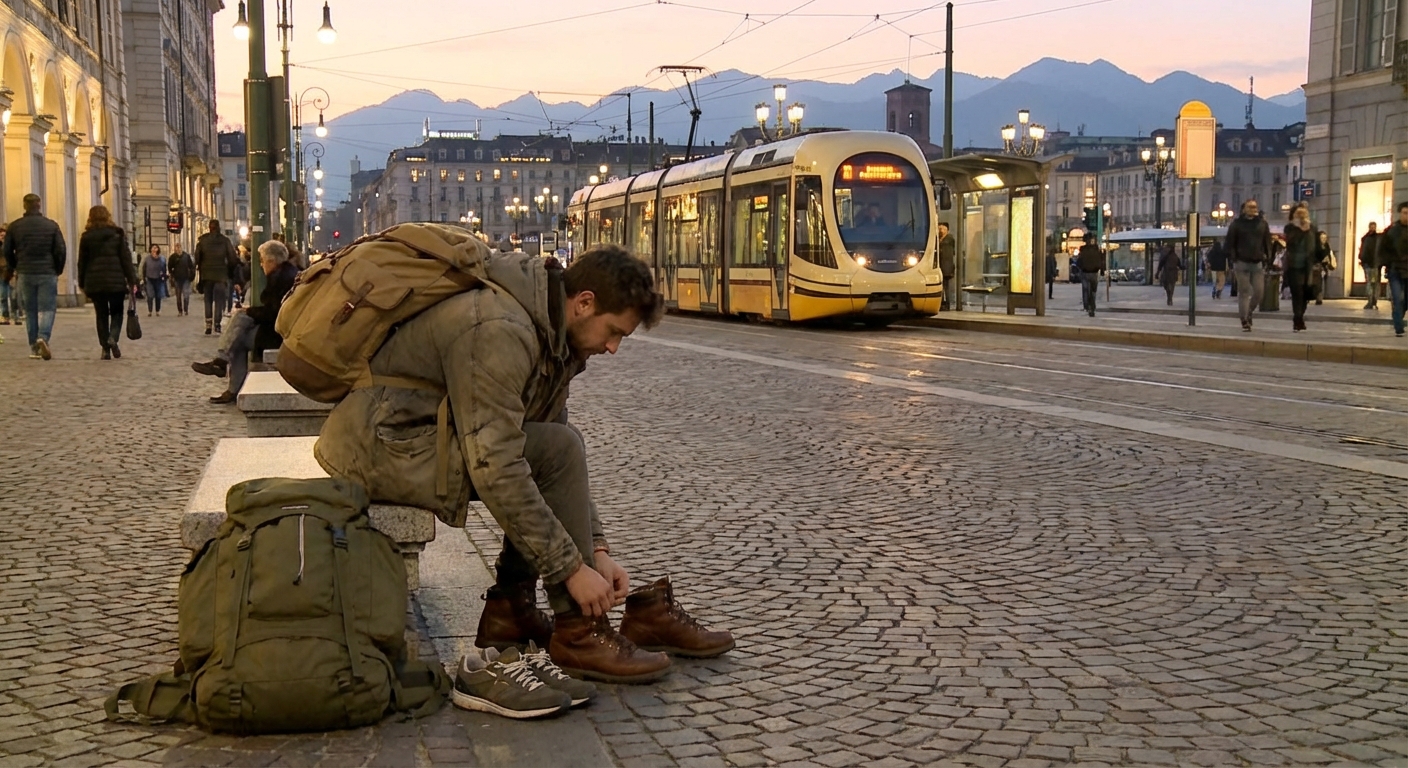
If you’ve ever dragged a suitcase across cobblestones in Lisbon or tried to sprint for a train in Tokyo with a 25kg duffel, you already know: less is freedom. One-bag travel—carrying everything in a single, streamlined pack—isn’t just a minimalist trend. It’s a strategy that gives you agility, saves you money, and keeps your focus on experiences instead of stuff.
Why One-Bag Travel Is the Adventurer’s Secret Weapon
This guide walks you through building a one-bag travel gear setup that works for weekend city breaks, month-long backpacking trips, and hut-to-hut treks in the mountains.
The Core: Choosing the Right Travel Backpack
Your pack is your mobile base camp. Get this right and everything else becomes easier.
Key Features to Look For
- Capacity (30–40L): Big enough for multi-week trips, small enough for carry-on regulations.
- Front-Loading Design: Like a suitcase—zips open fully so you’re not digging from the top.
- Sturdy Frame & Hip Belt: Essential if you’ll be walking long distances or hiking between huts.
- Weather Resistance: Water-resistant fabric + coated zippers at the minimum; a rain cover for monsoon or alpine regions.
- Organization Options: Separate laptop sleeve, quick-access pocket, internal mesh compartments.
Budget Tip
Skip the hyper-marketed “influencer” bags and look at reputable outdoor brands’ previous-year models. You can often save 30–40% on gear that’s nearly identical to the latest release.
The Capsule Travel Wardrobe: Gear for Any Destination
Your clothes are your heaviest, bulkiest items. Make them work like a modular system.
The 10-Piece Adventure Capsule (For 7–21 Days)
Adjust fabrics to your destination, but this layout works from Bangkok to Barcelona:
2 quick-dry T‑shirts (merino or synthetic)
1 long-sleeve base layer (for sun protection or warmth)
1 travel shirt (button-up, breathable, looks good in photos and at dinner)
2 pairs of travel pants/shorts (one lightweight, one more rugged or dressy)
1 insulating layer (light down or synthetic jacket)
1 rain shell (packs small; essential in the mountains and tropics)
3–4 pairs of underwear (quick-drying)
3 pairs of socks (at least one merino pair for trekking)
1 swimsuit (for hot springs, beaches, unexpected rooftop pools)
Sleepwear (can double as lounge clothes)
Insider Recommendation
Choose neutral colors—blacks, grays, olive, navy. Everything matches, and you can dress up with a scarf, hat, or local accessory instead of packing “nice” outfits you’ll wear once.
Footwear: The Make-or-Break Gear Choice
You’ll feel every bad footwear decision in your knees and lower back. Pick wisely.
A Two-Pair Strategy
- Pair 1: Lightweight trail shoes or hybrid hiking sneakers
- Good for city walking, light hikes, uneven stone streets.
- Look for good grip, breathable uppers, and decent toe protection.
- Pair 2: Packable sandals
- For beaches, hostel showers, hot urban days, and giving your feet a break.
For hut-to-hut tours in the Alps, Patagonia, or New Zealand, opt for sturdier trail runners or light hiking boots with ankle support.
Budget Tip
Buy last-season colors from major outdoor retailers or outlet sites. You can save 40–60% on shoes that are functionally identical to new releases.
Smart Packing Systems: Pouches, Cubes & Compression
Your gear is only as efficient as your packing system. Good organization means no frantic bag explosions on hostel beds.
Essential Organization Gear
- 2–3 packing cubes
- One for tops, one for bottoms, one for underwear/socks.
- 1 compression sack
- For bulky items like your puffy jacket or extra layers on ski or winter trips.
- 1 tech pouch
- Keeps chargers, cables, and adapters tidy and accessible.
- 1 small waterproof bag (dry bag)
- For wet clothes, river trips, or protecting electronics in heavy rain.
Packing Order
- Heavy items (shoes, tech) close to your back and centered.
- Clothes in cubes around them.
- Toiletries and rain shell near the top for quick access.
- Passport and essentials in a hidden internal pocket or neck wallet.
Destination Highlights & Gear Tweaks
1. Southeast Asia Backpacking Loop
- Climate: Hot, humid, sudden downpours.
- Gear Priorities:
- Ultra-light fabrics, sandals, and a reliable rain shell.
- Small daypack or packable tote for motorbike days and island hopping.
- Mosquito repellent, light scarf/sarong (temple visits, sun, and improvised picnic blanket).
- Budget Tip: Buy non-technical clothing locally in Bangkok, Hanoi, or Chiang Mai—cheap and suited to the climate.
2. European City-Hopping by Train
- Climate: Mixed—mild to chilly, variable rain.
- Gear Priorities:
- Stylish, versatile clothing (button-up shirt, dark pants that work in museums and wine bars).
- Compact travel umbrella if you prefer it to a hood.
- Universal adapter and small power strip—many old hostels have limited outlets.
- Budget Tip: Overnight trains save both money and daytime hours. A lightweight sleep mask and earplugs pay off quickly.
3. Andes or Alpine Trek Plus City Stay
- Climate: Cool to cold nights, intense sun, sudden storms.
- Gear Priorities:
- Higher-spec insulating layer, merino base top, gloves, and beanie.
- Trekking poles (collapsible, if you want them to fit in your bag).
- Sunglasses with good UV protection.
- Budget Tip: Rent high-bulk specialized gear locally (sleeping bags, heavy-duty boots) instead of flying with it.
Tech Essentials That Actually Earn Their Place
- Unlocked smartphone + offline maps (download city and trail maps in advance).
- Power bank (10,000–20,000 mAh) for long days away from power.
- Universal travel adapter with USB-C ports.
- Noise-cancelling or passive isolation earbuds for flights and noisy dorms.
Avoid duplicate devices (tablet, laptop, e-reader) unless you truly need them. If you’re not working remotely, a phone + a small notebook is usually enough.
Toiletries & First-Aid: Small but Strategic
- Solid toiletries (bar shampoo, bar soap) to avoid liquid limits and spills.
- Travel-sized refillable bottles for anything liquid.
- Mini first-aid kit:
- Plasters (band-aids), blister pads
- Ibuprofen or paracetamol
- Antiseptic wipes
- Any personal medication (with copies of prescriptions)
Buy consumables like sunscreen and bug spray at your destination if prices are reasonable.
Sample One-Bag Packing List (Carry-On Friendly)
- 35–40L travel backpack
- 2 packing cubes + 1 tech pouch + 1 small dry bag
- 2 T‑shirts, 1 long-sleeve, 1 travel shirt
- 2 pants/shorts, 1 insulating jacket, 1 rain shell
- 3–4 underwear, 3 socks, 1 swimsuit, 1 sleepwear
- Trail shoes + packable sandals
- Phone, charger, universal adapter, power bank, earbuds
- Toiletry kit + mini first-aid
- Lightweight daypack (packable) or tote
- Scarf/sarong, hat, sunglasses, travel towel
Everything fits in one carry-on pack that can take you from street food in Kuala Lumpur to sunrise at Machu Picchu.
Book the Ticket, Refine the Gear on the Road
Perfect gear is less important than getting out the door. Start with a solid backpack, a modular clothing system, and a few well-chosen accessories. You’ll quickly discover what you truly need—and what you can live without.
Your next adventure doesn’t require a garage full of equipment. It requires a single, smartly packed bag and the willingness to step onto that plane, train, or midnight bus.
Zip up, cinch the straps, and go.